Elevate Your Space,
Enhance Your Life
Luxury interior design for homes and businesses
that inspire, impress and endure.
Schedule A Consultation
Is your space
falling short of
its potential?
Outdated designs or layouts?
Overwhelmed by too many choices?
Struggling to create a cohesive look?
We understand how frustrating it can be to live or work in a space that doesn’t reflect your style or meet your needs.
LK Design: Your Partner in Luxury Interior Design
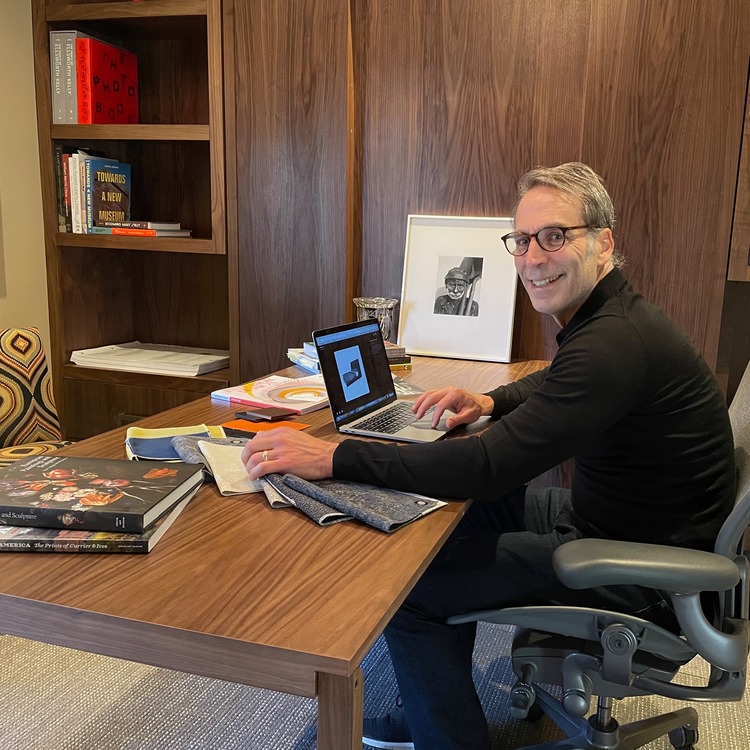
Lester Katz brings years of experience transforming residential and hospitality spaces into stunning, functional environments tailored to your needs.
- Homeowners
- Restaurants and bars
- Medical offices
- Hair Salons
- Gyms and fitness centers
- And More!
What Do We Do?

Residential
Interior Design
From kitchens to bedrooms, we help homeowners create beautiful spaces that reflect their personal style.
Explore
Hospitality
Interior Design
We transform restaurants, salons, offices, and more into stunning spaces that attract customers and enhance your brand.
Explore
Start Your
Design Journey
Whether it’s for your home or business, we’ll guide you every step of the way from concept to completion.
Schedule A ConsultationReal Spaces, Real Results


When people walk into our home, the word most commonly used is ‘stunning!’ and we owe this response to the design genius of Lester Katz. Lester planned and oversaw the complete remodel of the entire 4500 square foot house— from tiles, paint colors, to major structural changes— and then did a complete interior design, even down to sketching out a twelve foot dining table that he then had manufactured specifically for us. In three decades of home ownership and working with various designers, no one has or will surpass Lester.
– David Boyd

After some positive references from friends, we hired LK Design for our home remodel and it’s been a great choice. Lester has a great intuition for design and style; both his own and his clients. He’s developed very accurate insights to our own personal sense of style and taste and has been a great asset guiding us through the design process. I would absolutely recommend him to other potential clients.
– Dave Rogers

Lester is wonderful to work with. He makes it easy! He has fabulous ideas- very creative! Lester listens, lays out fantastic options to choose from and implements with care. If something is not right, he will correct it. I’ve used LK Design for 4 different design projects. I highly recommend LK Design.
– Annette Smith
Don’t Settle For Ordinary.
A poorly designed space can leave you feeling frustrated and uninspired.
Let us help you create a space that brings you joy and confidence to your everyday life.
Schedule A Consultation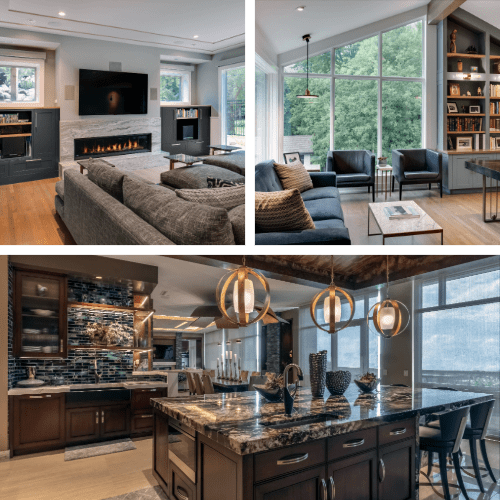
Proudly Serving Omaha And Beyond
We’re proud to offer luxury interior design services to clients across Omaha and the surrounding areas. Whether you’re in the heart of the city or a nearby neighborhood, we’re here to bring your vision to life.
Omaha
- Downtown
- Dundee
- District 66 / Westside
- Linden Estates
- Elkhorn
- Sanctuary Ridge
- Waterloo
- Blue Water
Beyond
- Minneapolis, MN
- Grand Marais, MN
- Palm Springs, CA
- Rancho Mirage, CA
- Palm Desert, CA
- Indian Wells, CA
- Durham, NC
- Naples, FL


